Sea Freight (FCL)
Ports
Alexandria · Damietta · Port Said · Sokhna · Adabiya
Equipment
20' / 40' / 40'HC / reefer / OT & flat rack
Directions
Import · Export
Backed by
PNM Group — Kuwait, est. 2003 · IATA & WCA member since 2013
What it is
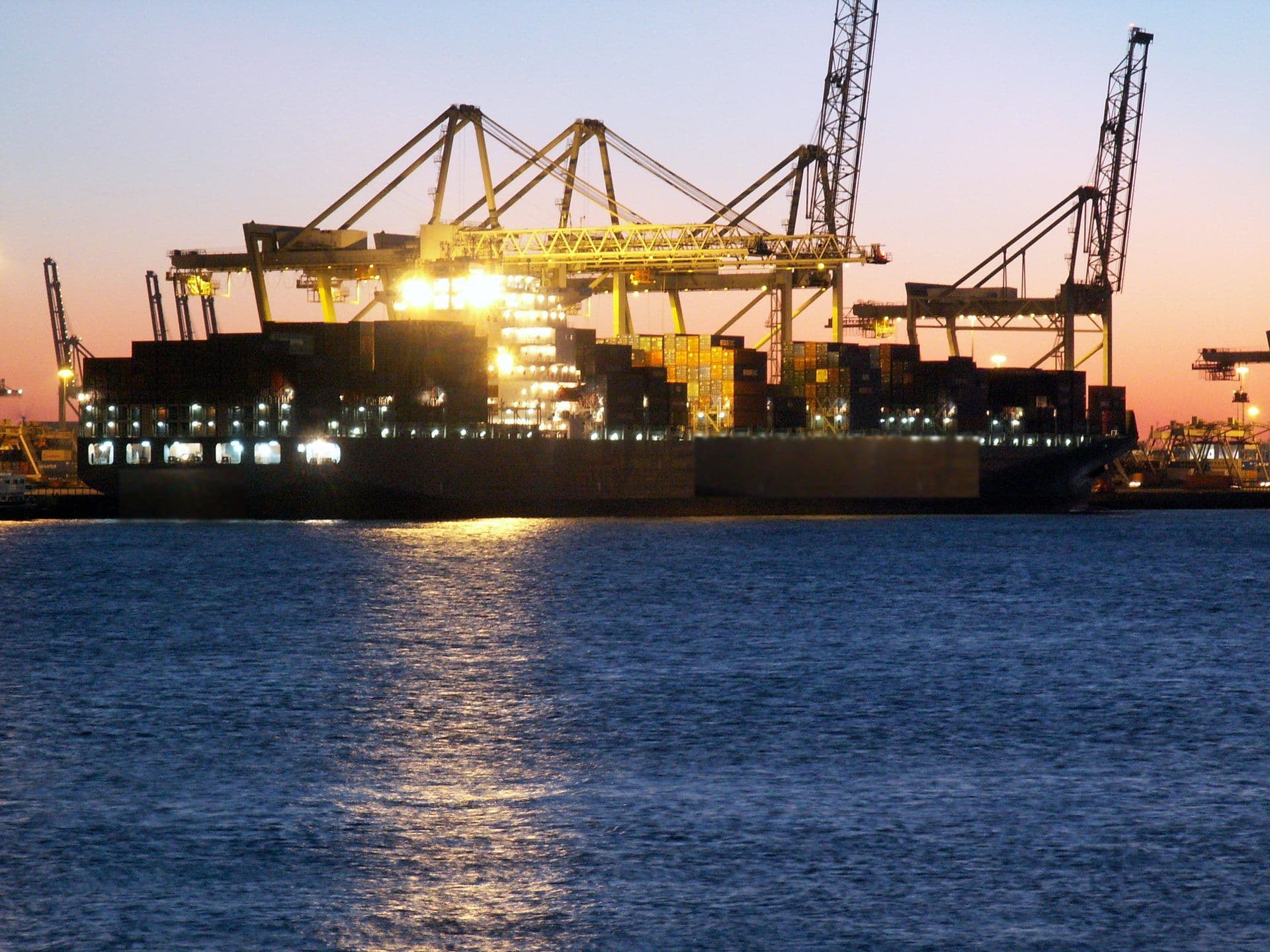
Sea freight is the backbone of Egyptian trade, and FCL — full container load — is how serious volume moves. PNM Egypt books, documents and manages complete containers (20', 40', 40'HC, reefer and special equipment) for import into and export out of Egypt through Alexandria, Damietta, Port Said, Sokhna and Adabiya.
We negotiate rates and free time with the carriers on your lane, watch cut-offs and rollings, and keep your documents — commercial invoice, packing list, bill of lading, certificates of origin — aligned with what Egyptian customs actually expects, so the box does not sit at the terminal burning demurrage.
For imports, the file starts before the container does. Egypt requires an ACID number — issued through the Nafeza single-window platform — before the goods ship, and the number must appear on the commercial invoice and bill of lading. We obtain the ACID against your importer registration, brief your supplier on what Nafeza expects from their side, and check the draft documents against the filing before the vessel sails — because a mismatch discovered at Alexandria costs days, while a mismatch caught at origin costs minutes.
Port choice is a cost decision, not a habit. Alexandria and El Dekheila take the bulk of general cargo and suit Delta and Cairo consignees; Damietta is strong on the East Mediterranean; Port Said serves the Asia strings that transship there; Sokhna, on the Red Sea, is often the smarter gate for Gulf and Asia cargo bound for Cairo and Upper Egypt. We route by lane, carrier free time and your delivery point — and for reefer, open-top and flat-rack moves we arrange plugs, permits and lifting before booking, not at the terminal gate.
Who it's for
- Importers bringing raw materials, machinery or finished goods into Egypt by the container.
- Egyptian manufacturers and exporters shipping produce, textiles, chemicals or building materials to overseas buyers.
- Trading companies that need one accountable partner from supplier's gate to final warehouse.
How it works with PNM Egypt
- 01
Scope the shipment
You give us cargo, lane and Incoterm; we come back with equipment options, sailing schedule and an itemised rate.
- 02
Book & position
We confirm space with the carrier, issue the booking and arrange container positioning for stuffing at origin.
- 03
Documents & compliance
We check every document against Egyptian requirements (ACID/ACI advance filing included) before the vessel sails.
- 04
Sail & monitor
Live milestones from gate-in to discharge; you hear about exceptions from us first, with a plan attached.
- 05
Clear & deliver
Our clearance team releases the box and our trucking desk delivers it — one file, one invoice, one point of contact.
Why PNM Egypt
Port-side presence
Our people work Egypt's ports daily and know which desk moves which paper.
Carrier leverage
Group-level volumes across Egypt and Kuwait mean better rates and protected space.
Demurrage discipline
Documents validated before sailing, clearance started before arrival — free time is spent moving, not waiting.
Other service lines
Frequently asked questions
What is the difference between FCL and LCL?
FCL means the container is yours alone — one shipper, one seal, priced per box. LCL shares a container between several shippers and is priced per cubic metre. FCL usually wins from roughly 13–15 CBM upward, for tight deadlines, and for cargo you don't want handled at consolidation warehouses; below that band LCL is normally the cheaper call.
What documents do I need to import a container into Egypt?
The core set is a commercial invoice, packing list, bill of lading and certificate of origin, with the ACID number stated on the invoice and bill. Depending on the goods you may also need GOEIC registration, quality-inspection certificates or ministry approvals — we confirm the exact list for your HS code before your supplier ships.
How long does customs clearance take at Alexandria port?
With a clean, pre-registered file, straightforward cargo typically clears within a few working days of discharge. Goods routed for physical inspection, quality control or committee review take longer. Nobody can guarantee a clearance time in Egypt — what we control is filing before arrival and attending every inspection, which is where most of the lost days hide.
What is an ACID number and who issues it?
ACID (Advance Cargo Information Declaration) is a pre-registration number Egypt requires for every import shipment, issued through the Nafeza single-window platform before the goods leave origin. It ties your importer registration, your supplier and the shipment together; without a valid ACID on the documents, carriers should not load cargo bound for Egypt.
How do I avoid demurrage and storage charges?
Demurrage is lost in the week before arrival, not the week after. The levers: documents matched to the ACID filing before sailing, the delivery order and clearance file opened before the vessel berths, inspection slots chased daily, and trucking booked against the release — not arranged after it. We also negotiate extended free time with carriers where the lane allows.
Do you offer door-to-door sea freight?
Yes. One file can cover pickup at your supplier, origin clearance, ocean freight, ACID filing, Egyptian customs and delivery to your warehouse — one contact, one invoice. You choose the Incoterm split; we run whichever legs fall on our side. Rates move weekly with the carriers, so we quote live rather than publish a table.
Ready to move cargo?
Tell us the lane, the cargo and the timeline. Our team comes back with routing options, transit times and a clear, itemised rate.